

Aviator Glasses in Nigeria: Style and Buying Tips
Discover how aviator glasses mix timeless style with practical use 🇳🇬. Learn to pick the best pair for your lifestyle, plus care tips and top brands in Nigeria 👓.
Edited By
Emily Johnson
Nigeria's aviation industry plays a significant role in connecting the country's vast regions and boosting commerce. For many Nigerians, becoming an aviator is more than a career — it represents a chance to rise above daily challenges like traffic congestion and unreliable road networks. Pilots, air traffic controllers, and aviation professionals are key players in maintaining Nigeria’s airspace, which grows more complex each year.
The aviation sector here combines global standards with local realities. For example, training often requires certifications from bodies like the Nigerian Civil Aviation Authority (NCAA) alongside international licences such as the FAA or EASA. Despite these stringent requirements, many prospective pilots face hurdles like high training costs and limited access to quality flight schools.

Regulatory frameworks aim to ensure safety and efficiency but can sometimes struggle with enforcement, creating operational challenges. Operators must navigate not only technical compliance but also infrastructural issues such as irregular power supply, limited hangar space, and ageing airports, especially outside Lagos and Abuja.
Technology is gradually changing the scene. Local airlines and drone startups are beginning to adopt more modern avionics and digital flight operations, reducing reliance on manual processes. This shift promises greater reliability and opens avenues for fresh careers in areas such as aviation tech maintenance and software.
Career prospects extend beyond flying planes. One can venture into aviation management, ground operations, safety inspection, and aviation finance, all crucial to sustaining the industry's ecosystem. The market also benefits from Nigeria’s growing middle class, which fuels demand for domestic and regional air travel.
Becoming an aviator in Nigeria requires navigating a complex web of training, regulation, and practical hurdles. Still, for those who succeed, the sector offers promising opportunities amidst a rapidly evolving landscape.
Nigerian aviation blends international standards with local challenges.
Flight training is rigorous and often costly, limiting access for many.
Safety regulation is well-intended but faces infrastructural and enforcement issues.
Technological advancements are slowly modernising operations.
Career paths in aviation are diverse, extending beyond piloting.
Understanding these dynamics is essential for anyone keen to engage with Nigeria’s aviation sector either professionally or as a strategic market observer.
Understanding Nigeria's aviation industry provides essential context for anyone interested in the country's aviation opportunities, especially aspiring aviators and industry stakeholders. This sector is more than just airlines and airports; it connects regions, supports commerce, and drives employment across the country.
Nigeria's aviation began in earnest with the establishment of Nigeria Airways in 1958, becoming a national symbol until its closure in 2003 due to mismanagement and economic challenges. Today, the industry is fragmented but growing, with several private airlines filling the void left. Notable names like Air Peace, Arik Air, and Dana Air have expanded domestic and regional flights, adjusting to increased demand despite operational hurdles. The Nigerian government has made efforts to revamp the sector, including modernising airports and revising aviation policies to meet international standards.
The industry comprises various players ranging from airlines and airports to aviation regulators and service providers. The Federal Airports Authority of Nigeria (FAAN) manages major airports such as Murtala Muhammed International Airport in Lagos and Nnamdi Azikiwe International Airport in Abuja. Airlines like Air Peace provide significant domestic coverage, while cargo operators handle the logistics crucial for exports like agricultural produce. Flight training schools also serve as key players by producing the next generation of pilots. Despite these components, infrastructure challenges persist, such as ageing facilities and limited air traffic control technology, which affect efficiency and safety.
Aviation contributes notably to Nigeria's GDP and job market. It supports various sectors including tourism, oil and gas, and commerce by enabling faster movement of people and goods. For example, air cargo flights are vital for perishable goods like fish and flowers, maintaining supply chains that road transport alone cannot manage efficiently. The industry's multiplier effect means growth in aviation boosts related sectors such as hospitality, retail, and manufacturing. The government recognises this potential; investments aimed at airport upgrades and regulatory reforms aim to increase passenger traffic and attract foreign investment, which could translate into more job opportunities and business growth.
The aviation sector in Nigeria, while facing hurdles, plays a vital role in connecting the country's vast landscape, stimulating economic activities, and offering promising career paths for many.
By grasping these elements, readers can better appreciate the challenges and openings for aviators and related stakeholders in Nigeria’s dynamic aviation landscape.
Becoming an aviator in Nigeria is not just about taking to the skies; it represents a pathway to a respected and specialised profession that supports the country’s transport, business, and economic sectors. With Nigeria's aviation industry gradually recovering and poised for growth, pilots are in demand to fill roles in commercial airlines, private charters, cargo services, and even training institutions.
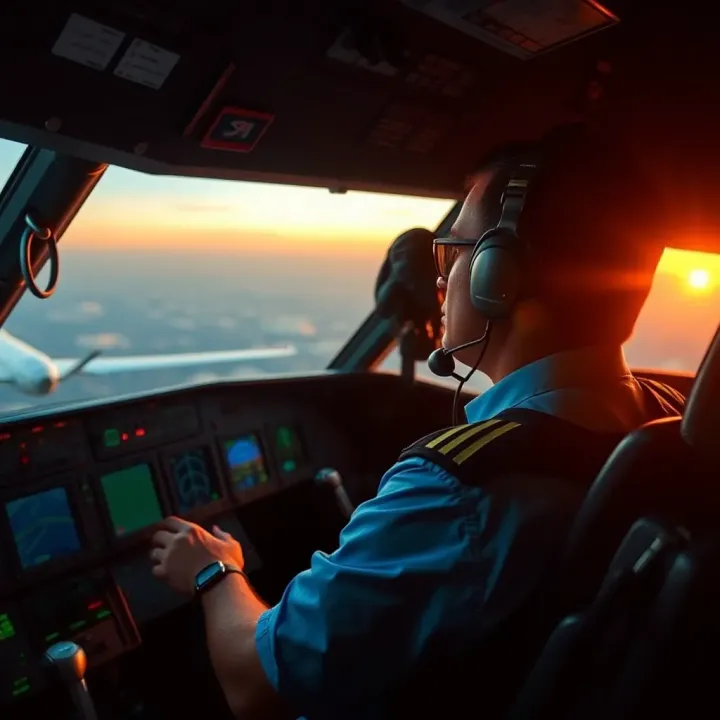
Nigeria offers several recognised flight training institutions where aspiring pilots can earn their wings. Notable examples include the Nigerian College of Aviation Technology (NCAT) in Zaria, which remains a cornerstone for pilot training. NCAT provides a structured curriculum that covers basic flying, navigation, meteorology, and aircraft mechanics. Other flight schools like Bristow Academy and International Aviation College in Ilorin also offer professional pilot training.
These schools train cadets on single-engine aircraft and simulators, essential for building flight hours safely. Many also partner with foreign institutions to provide advanced training opportunities. Choosing the right programme depends on factors such as course accreditation, quality of equipment, instructor experience, and course costs.
Pilots in Nigeria must obtain a valid pilot licence from the Nigerian Civil Aviation Authority (NCAA). Initially, students pursue a Private Pilot Licence (PPL), followed by a Commercial Pilot Licence (CPL) for professional flying. Obtaining these licences requires passing written exams, practical flight tests, and medical fitness assessments.
The NCAA also mandates that pilots must renew their licences periodically, involving medical re-certification and skill checks. Additionally, pilots flying for airlines need type ratings specific to the aircraft they'll operate. Compliance with these standards ensures safety and international recognition of Nigerian aviators.
Earning a pilot licence in Nigeria is rigorous but opens doors to multiple aviation careers at home and abroad.
Flight training in Nigeria can be expensive, often amounting to over ₦10 million for full commercial licences. High costs arise from fuel prices, maintenance of aircraft, instructor fees, and simulator usage. For many trainees, securing funding is a major hurdle, leading some to seek scholarships, loans, or sponsorships.
Besides cost, other challenges include limited access to modern training aircraft, occasional power shortages affecting simulators, and fluctuating regulatory procedures that may cause delays. Weather patterns, especially during the rainy season, can also restrict training schedules, slowing down flight hour accumulation.
Despite these obstacles, dedicated candidates who plan finances carefully and choose reputable schools find pathways to successful pilot careers within Nigeria's growing aviation scene.
For those aiming to join the cockpit crew, understanding these training pathways and regulatory rules is key. Nigeria’s aviation landscape offers opportunities, provided one navigates the practical realities of cost and licensing carefully.
The aviation sector in Nigeria offers a range of career paths beyond just flying planes. Understanding these opportunities expands options for aspiring aviators and helps them plan practical career moves. This section outlines key employment areas in the aviation industry, focusing on commercial airlines, private flights, and training roles.
Commercial airlines remain the most visible career destination for Nigerian aviators. Major carriers like Arik Air, Air Peace, and Dana Air constantly require skilled pilots to operate domestic and international routes. Roles here typically begin with first officer positions, progressing to captaincy with experience. Cargo airlines, although less prominent, offer steady work through companies such as Allied Air and Max Air, specialising in freight transport across West Africa. The benefits of commercial aviation jobs include structured career progression, regular income, and international exposure.
Private and charter aviation presents more flexible but competitive career opportunities. Nigerian businesses and high-net-worth individuals use charter services for rapid travel and logistics, employing pilots with certifications for varied aircraft types. Operators like Executive Air Charter and Globe Air maintain fleets that require aviators capable of quick decision-making and customised flight plans. While pay might fluctuate, charter aviation allows pilots to build networks among business circles and gain unique flying experiences not common in commercial airlines.
Flight training institutions serve as both teaching facilities and career paths for seasoned pilots. Experienced aviators can become instructors, shaping the next generation of Nigerian pilots at schools like the Nigerian College of Aviation Technology (NCAT) in Zaria or private flight academies. Besides direct training roles, opportunities exist in aviation management, including scheduling, safety audits, and regulatory compliance. Management roles often need formal qualifications or additional training in aviation business or safety standards, offering a chance to influence industry growth from the ground up.
Diversifying your skills beyond flying—into training or management—can secure your future in Nigeria’s evolving aviation landscape.
Navigating these paths requires clear knowledge of licensing requirements and market demands. Aspiring aviators should assess their strengths and interests to choose a career niche, considering the financial and commitment levels each option demands. With Nigeria's growing aviation industry, adopting a flexible, strategic approach to career development is more necessary than ever.
Nigeria's aviation sector holds promise but also presents distinct challenges for aviators. Understanding these hurdles is key for anyone considering a career in the field or planning to invest in the industry. The difficulties range from inadequate infrastructure to regulatory bottlenecks and financial constraints, all of which shape daily operations and future prospects.
One pressing issue is the state of airport infrastructure and safety systems. Despite improvements in major airports like Murtala Muhammed International Airport in Lagos and Nnamdi Azikiwe International Airport in Abuja, many regional airports lag behind. This gap affects flight scheduling, increases delays, and sometimes raises safety risks. For example, outdated radar and air traffic control equipment limits effective monitoring, compromising flight safety. Power instability also forces reliance on generators, pushing operational costs higher and occasionally interrupting essential services.
Aviators often grapple with complex regulatory procedures that slow down licensing, certification, and operational approvals. The process to obtain the Nigerian Civil Aviation Authority (NCAA) permits can take several months, deterring aspiring pilots and operators. Bureaucratic red tape combined with inconsistent enforcement complicates compliance for flight schools and maintenance providers. For instance, delays in certification of new training aircraft stall pilot training programmes, while uncoordinated state and federal aviation policies create confusion for operators.
Funding remains a significant barrier. High costs of pilot training, aircraft maintenance, and operations strain budgets given Nigeria’s economic volatility and exchange rate fluctuations. Many pilot trainees face difficulties securing affordable loans or sponsorships, while airlines struggle with fluctuating fuel prices and the naira's depreciation against the dollar. This economic pressure limits fleet expansion and upgrade plans. For example, some domestic airlines have scaled back routes or grounded aircraft due to financial shortfalls, affecting aviators’ job stability and opportunities.
Despite the challenges, awareness and strategic investments in infrastructure, regulatory reform, and economic support could open more opportunities for Nigerian aviators.
Upgrading airport infrastructure and safety tech is essential to improve operations.
Streamlining NCAA procedures would reduce delays and encourage more pilots to enter the field.
Developing targeted financial schemes could ease training and operational costs, fostering growth.
Navigating these hurdles is crucial for anyone involved in Nigeria’s aviation sector, as addressing them directly impacts career feasibility and the industry’s long-term viability.
The Nigerian aviation sector is gradually embracing technology and innovation to improve safety, efficiency, and service quality. This push is crucial given the industry's complex challenges such as ageing infrastructure and operational inefficiencies. Airlines, flight schools, and regulatory bodies are investing in modern tools and digital platforms to better train pilots, optimise flights, and provide smoother passenger experiences.
Modern flight simulators and advanced avionics have started to appear in Nigerian training academies, offering aspiring pilots closer-to-real experiences without the risks and high costs of repeated actual flights. For instance, the Nigerian College of Aviation Technology (NCAT) employs sophisticated simulators that replicate various aircraft and weather conditions, strengthening trainee skillsets effectively. This shift reduces training costs over time and boosts the quality of graduates immediately fit for commercial airline demands.
Furthermore, newer aircraft models equipped with electronic flight instrument systems (EFIS) and auto-pilot features are increasingly part of local fleets. These technologies aid pilots in navigation, fuel efficiency, and handling complex flight situations, especially in Nigeria's often unpredictable weather. The availability of such equipment gives Nigerian aviators exposure similar to their counterparts in more developed aviation markets.
Digital platforms have transformed booking, scheduling, and cargo management in Nigeria. Airlines like Arik Air and Air Peace now offer seamless online ticketing and flight status updates via mobile apps, reducing reliance on physical ticket offices and reducing long queues.
Also, platforms such as OPay and Flutterwave support payment solutions for aviation-related services, easing transactions for customers and airlines alike. On the cargo side, digital tracking systems improve transparency for freight clients, whereas integrated aircraft management software helps operators schedule maintenance, improving aircraft turnaround time and safety.
Digital innovation is not just a convenience but a necessity in overcoming Nigeria’s infrastructural and operational hurdles in aviation.
Drone technology presents a promising avenue for Nigeria’s aviation future, especially for medical supply deliveries to remote areas, aerial surveying, and security applications. Local startups exploring drone services can transform logistics, which currently rely heavily on costly road transit with inherent delay risks.
Electric and hybrid aircraft remain nascent globally but have potential to reshape Nigerian domestic flights by cutting fuel costs and carbon emissions, crucial under Nigeria’s increasing environmental pressures.
Moreover, as data analytics become central in global aviation, Nigerian stakeholders can harness big data to predict maintenance needs, enhance route planning, and better understand passenger behaviour. This tech-driven approach could bridge operational gaps and make Nigerian airlines more competitive within Africa and beyond.
Overall, the integration of technology and innovation in Nigerian aviation opens multiple practical benefits from training to operations. For anyone interested in becoming aviators or investing in the sector, staying updated on these developments is key to making informed decisions and seizing new opportunities.
Discover how aviator glasses mix timeless style with practical use 🇳🇬. Learn to pick the best pair for your lifestyle, plus care tips and top brands in Nigeria 👓.

Compare 1xBet and Bet9ja to find the best sportsbook for Nigerian bettors ⚽💰. Explore betting options, payments, bonuses, support & regulations for smart choices.

Find the best Evolution Gaming sites in Nigeria 🇳🇬 with top games, secure licences, easy payments like USSD, and low-data play for smart local betting 🎰

🎯 Get top tips for UFC betting in Nigeria 🇳🇬, discover trusted sites, smart strategies, legal info, and tackle challenges for better wins with your ₦ bets!
Based on 9 reviews