
Aviator Glasses in Nigeria: Style and Buying Tips
Edited By
Sophie Langley
Getting Started
Aviator glasses have stood the test of time, proving both stylish and practical for many Nigerians. Originally designed for pilots in the 1930s to shield their eyes from intense sunlight, their distinctive teardrop shape and thin metal frame quickly caught the attention of fashion lovers everywhere.
Today, aviator glasses are much more than a pilot’s gear; they’re a bold style statement and reliable eye protection during the hot, sunny days common across Nigeria. You’ll see them on Lagos streets, in Abuja offices, and at owanbe parties, blending tradition with modern flair.
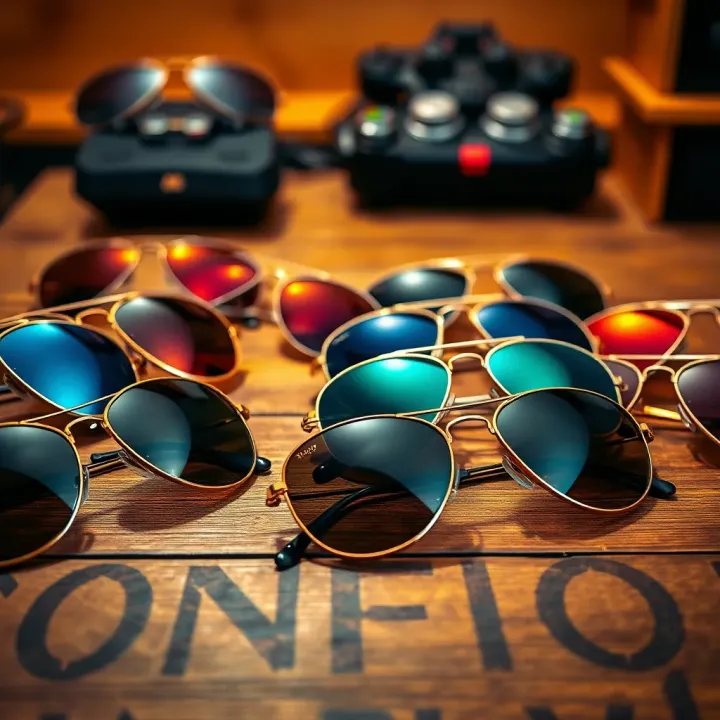
What makes aviator glasses a solid choice? For starters, their large lenses offer ample coverage, reducing glare and protecting your eyes from UV rays and dust – quite handy, especially in dusty parts of the country or amid generator fumes. Plus, the lightweight metal frame ensures comfort during long wear.
Choosing the right aviator pair involves considering your face shape, daily activities, and whether you need prescription lenses. For instance, if you spend a lot of time outdoors, polarized lenses might be best—they cut glare better, making it easier to see, just like when driving through Lagos traffic or watching a football match at a local pitch.
Keep in mind, not all aviators are built the same. There are variations in lens colour, frame material, and size. While classic gold or silver frames remain popular, many brands offer coloured finishes and mirrored lenses to suit your personal style.
When picking aviator glasses, balance style with function to get the most value. Don't just go for looks; think about how the glasses fit into your daily routine and environment.
In this article, you’ll find practical tips on selecting aviators that match your lifestyle, ways to maintain them against Nigerian conditions, and a spotlight on trusted local and global brands available in the market.
Whether you’re looking to protect your eyes or add a comfortable, fashionable edge to your wardrobe, knowing the basics about aviator glasses will put you ahead in making the right choice.
The Origin and Evolution of Aviator Glasses
Understanding where aviator glasses came from and how they've evolved gives you a clearer picture of why they remain popular today. Their origin ties directly to function, which affects their design, making them more than just a fashion statement. This history also influences how they are perceived and worn now, especially in Nigeria where both style and practicality matter.
How Aviator Glasses Came to Be
Military beginnings and pilot use
Aviator glasses were originally developed in the 1930s for pilots in the US Air Force. Their main goal was to protect pilots' eyes from glare while flying at high altitudes, where sunlight exposure is intense. The teardrop shape helped cover the entire eye area, reducing light from the sides too. This design was practical because it improved pilots' vision and comfort during long flights, especially when sudden changes in sunlight could affect focus.
This practical origin means aviators are still very effective for eye protection against harsh light. For Nigerians spending time outdoors, especially motorists and outdoor workers, the same glare reduction that avalanches pilots can be quite helpful in everyday life.
Transition to mainstream fashion
After World War II, aviator glasses started showing up outside military use. Their sturdy metal frames and lens shape caught the eye of civilians looking for durable and stylish sunglasses. Hollywood stars like Tom Cruise in "Top Gun" helped turn aviators into a fashion icon during the 1980s. This shift showed that eyewear could blend style with serious functionality.
For Nigerian consumers, this means aviator glasses offer a blend of rugged practicality and fashion appeal, useful whether at the office, on the road, or social events. Their reputation as both a style and function accessory continues to boost their demand.
Aviators Through the Decades
1970s and 1980s pop culture impact
The 1970s and 1980s cemented aviators as a go-to accessory for coolness, thanks to movies, music stars, and celebrities who wore them. This era's fashion embraced bold accessories, and aviators fit perfectly. When memorable figures paired aviators with leather jackets or sharp suits, they became symbols of confidence and adventure.
Such cultural roots paint aviator glasses as more than eye protection; they’re part of an identity many Nigerians aspire to embody. Wearing aviators can signal confidence and a sense of style that mixes well with Nigeria’s energetic urban scenes like Lagos or Abuja nightlife.
Modern-day resurgence
Recently, aviator glasses have made a comeback, influenced by retro trends and updates in materials. Today's aviators combine original designs with lighter metals, better UV protection, and varied lens colours suitable for changing environments, including dusty and sunny conditions common in Nigeria.
This modern angle makes aviators even more practical today. For example, a data analyst who spends time commuting can benefit from the glare protection while keeping a crisp professional appearance. Even sports bettors and strategists who follow events outdoors can find aviators useful to counter harsh sunlight during matches.
Aviator glasses offer a unique blend of heritage, style, and functionality. Knowing their military roots and cultural journey helps you appreciate their ongoing relevance in Nigerian life.
In summary, aviator glasses come with a rich history of protecting vision and shaping style. Whether you see them as a practical tool against sunlight or a fashion accessory, their background shows why they remain a solid choice for Nigerians today.
Design Characteristics of Aviator Glasses
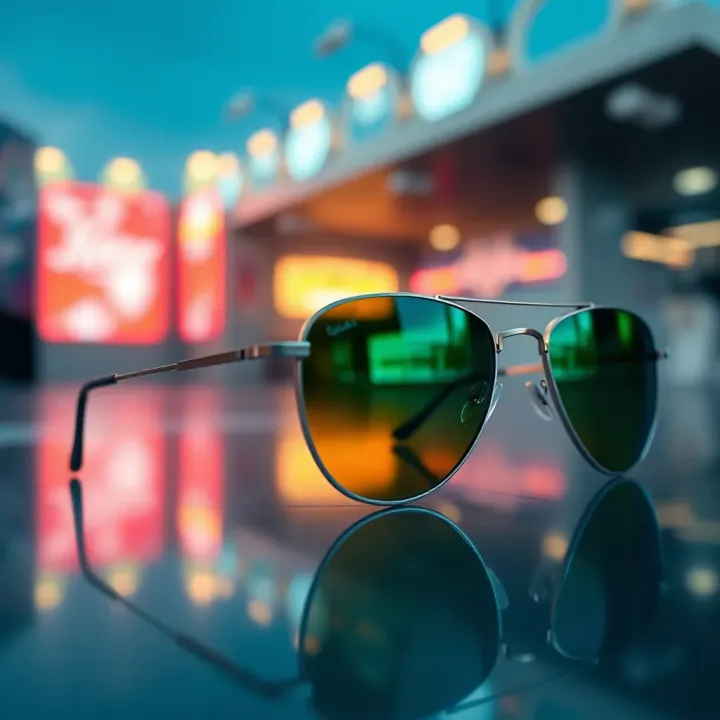
Understanding the design of aviator glasses is key to appreciating their enduring popularity. Their distinctive features blend style with function, making them suitable for both fashion and practical eye protection. From the classic teardrop lenses to the delicate metal frames, these elements contribute to the glasses' unique look and usability, especially in Nigeria's bright and sometimes dusty environment.
Distinctive Frame and Lens Features
Teardrop-shaped lenses give aviators their unmistakable silhouette. This shape was originally crafted to cover the entire eye socket, providing extensive protection from harsh sunlight and wind. For everyday wearers, this means better eye coverage compared to round or square lenses, helping to shield eyes from glare when navigating Lagos traffic or during long drives.
Thin metal frames are both lightweight and durable, making aviators comfortable for prolonged use. The thinness does not compromise strength since frames often use metals like stainless steel or titanium. This design eases the pressure on the nose and ears, a practical benefit in hot climates where heavier frames could become uncomfortable as sweat sets in.
The double or triple bridge design adds structural support while contributing to the glasses' iconic look. Beyond aesthetics, these bridges distribute the weight of the glasses evenly, reducing the risk of slipping even when moving around or sweating. This feature also makes aviators more stable during activities like riding an okada or walking through busy markets.
Lens Types and Their Benefits
Polarised lenses for glare reduction are indispensable in Nigeria due to intense sunlight reflecting off surfaces like car windows and wet roads during rainy seasons. Polarised lenses filter horizontal glare, which significantly improves visual comfort and sharpens clarity. They are especially handy for drivers and outdoor enthusiasts, enhancing safety and reducing eye strain.
Tinted and mirrored options offer both style and practical advantages. Tinted lenses come in colours suited to different lighting conditions; for example, amber tints boost contrast in hazy or dusty environments common in northern Nigeria. Mirrored lenses reflect sunlight, reducing the amount passing through to your eyes, perfect for the bright midday sun or during ember months when heat intensity peaks.
UV protection standards are non-negotiable for health. Aviator glasses must block 100% of UVA and UVB rays to prevent long-term eye damage like cataracts. Many quality aviators meet international UV400 standards, which you should prioritise when buying. This is essential given Nigeria’s strong equatorial sun, which can quickly harm unprotected eyes.
Choosing aviator glasses involves balancing style with practical design features that protect and improve vision in Nigeria's varied climate. Focus on lens type and frame functionality for optimum benefit.
By understanding these design aspects, you’ll be better equipped to select aviator glasses that not only look sharp but also serve you well under Nigeria’s demanding conditions.
Choosing Aviator Glasses That Suit You
Choosing the right aviator glasses is more than a fashion call; it impacts comfort, style, and function. Finding a pair that complements your face shape enhances your look sharply, while the lens colour must suit Nigeria's harsh sunlight and dusty environments. This ensures you not only look good but also get practical eye protection for daily activities.
Matching Frame Styles to Face Shapes
Round face considerations
If you have a round face, aviators with sharper, more angular lines help balance soft curves. Thin, metal frames in classic teardrop shapes add definition, creating contrast that makes your face appear longer and less round. For example, a Lagos resident with a round face could pick aviators with a slightly wider frame to avoid crowding their features.
Oval and heart-shaped faces
Oval faces are lucky: most aviator styles suit them because of balanced proportions. Heart-shaped faces, with wider foreheads and narrow chins, benefit from aviators that soften angles. Frames with a slight curve at the top and narrow at the bottom match these faces well. This style draws attention to the eyes without overpowering facial symmetry.
Square and angular faces
Square faces have strong jawlines and broad foreheads, which can be softened by aviators with rounded lenses. The iconic teardrop shape is perfect here, helping to smooth hard edges. A young professional in Abuja with an angular face might pick gold or silver frames to complement skin tone and bring subtle elegance.
Selecting Lens Colours for Nigerian Conditions
Best tints for sunny and dusty environments
Bright sunlight and dust form a daily challenge in many Nigerian cities. Brown or amber tints work well to filter blue light and enhance contrast on dusty roads or during outdoor errands. Green lenses reduce glare without distorting colours, helpful for both city traffic and open-air markets. These tints help reduce eye strain and improve visibility.
Lens options for driving and outdoor activities
For those who drive or engage in outdoor sports, polarised lenses offer significant advantages. They cut horizontal glare from wet roads or vehicle windscreens, improving safety. For instance, polarised aviators with grey tints provide true colour perception and shield eyes during Sallah or Christmas celebrations outdoor. Mirrored lenses also help reflect harsh light, making them suitable for sunny days spent by the beach or at a football match.
Picking aviator glasses with the right shape and lens colour tailored to Nigerian weather and lifestyle will sharpen both your look and eye comfort. Avoid impulse buying; spend time considering what fits your daily needs.
Choosing aviators is about matching style with practicality. With this knowledge, you can confidently select your next pair, ensuring they last through many outings and daily use.
Maintaining and Caring for Your Aviator Glasses
Proper maintenance of your aviator glasses goes beyond keeping them looking sharp—it protects your investment and ensures clear vision. Given Nigeria’s mix of dusty streets, heavy traffic, and frequent generator use, aviators easily accumulate grime and face wear. Caring for them the right way helps sustain lens quality and frame durability, saving you from repeated expenses or the hassle of replacing damaged pairs.
Cleaning Techniques to Avoid Damage
Using appropriate cloths and solutions
Cleaning your aviator glasses with anything but the right materials can do more harm than good. Never use your shirt or tissue paper, as these rough surfaces can scratch the lenses. Always opt for a microfiber cloth, which gently lifts dirt without abrasive friction. For liquid solutions, use water mixed with a drop of mild dish soap or a lens-cleaning spray designed for eyewear. This approach removes oil, sweat, and dust without stripping the lens coatings. For instance, if you’re commuting daily on Lagos roads where dust and vehicle emissions collect on your lenses, regular gentle cleaning with these items will keep your vision sharp and lenses clear.
Avoiding scratches and lens coating wear
Aviator glasses often come with special coatings like UV protection or anti-reflective layers. Harsh cleaning agents, coarse cloths, or wiping with dry lenses can quickly damage these coatings. It’s best to rinse your glasses first under running water before wiping, especially when dirt and sand are involved. Scratches from improper care not only spoil the look but also interfere with your vision. Considering the sun intensity in Nigeria, damaged lenses can also reduce UV protection, posing risk to your eyes.
Storage and Protection Tips
Protective cases and travel considerations
Storing aviator glasses properly is crucial, especially when you’re always on the move. A sturdy, hard-shell case prevents bending of frames or lens damage inside your bag or car. When travelling, whether in a keke or okada, always place your glasses in a case rather than loose pockets. This prevents accidental crushing or exposure to dust and sweat. For example, while attending events like weddings or send-forths where you take off your glasses frequently, having a protective case at hand is a simple safeguard.
Handling repairs and adjustments locally
When your aviators get loose hinges or bent frames—which can happen easily with daily wear—it’s best to visit a local optical shop rather than trying to fix them yourself. Many eyewear retailers in Lagos and Abuja offer quick, affordable repairs and adjustments to keep your glasses fitting comfortably. Local technicians understand the nuances of popular aviator styles and can replace nose pads or tighten screws effectively. Avoid pushing your glasses harshly or leaving them loose, as poor fit increases the chance of dropping and damaging them.
Taking care of your aviators with simple cleaning, proper storage, and timely repairs extends their life and maintains both style and function, especially in Nigerian urban conditions.
Where to Buy Quality Aviator Glasses in Nigeria
Knowing where to buy quality aviator glasses in Nigeria matters a lot, especially to avoid low-grade products or fake frames. For anyone serious about style and eye protection, buying from trusted sources means better durability, genuine UV protection, and authentic designs. This section guides you through reliable local and international options available in Nigeria.
Trusted Local Retailers and Markets
Major eyewear shops in Lagos and Abuja
Lagos and Abuja boast several well-established eyewear shops that stock genuine aviator glasses. In Lagos, areas like Ikeja City Mall and Victoria Island house reputable stores such as Ossy Optical and Lens Point, known for their qualitative frames and professional eye-care services. Abuja’s Wuse and Garki districts also have quality shops like Vision Care Centre and Eyewear Nigeria, offering a range of aviators from entry-level to premium brands. Shopping from these outlets ensures you get after-sales services like fitting and repairs.
Markets known for authentic frames
For savvy buyers who prefer markets, places like Balogun Market in Lagos serve as hotspots for authentic eyewear. Though markets can be hit-or-miss, those who know the right vendors can find genuine aviators at competitive prices. However, caution is crucial since fake or substandard frames circulate here. Always test the lenses for UV protection and look for sturdy frames. Markets like Wuse Market in Abuja also have sections specialising in optical goods, adding more options for shoppers outside Lagos.
International Brands Available Locally
Popular global aviator manufacturers
Some global names have established a strong presence in Nigeria through official distributors or authorised dealers. Brands like Ray-Ban, Oakley, and Gucci offer aviator glasses that combine style with trusted lens technology. Ray-Ban, for instance, is widely recognised for classic aviators and has outlets in major cities, giving Nigerian consumers access to guaranteed originals. Owning such brands generally means better lens coatings, material quality, and genuine warranties.
Online platforms serving Nigerian consumers
Online shopping has also opened doors to access reputable aviator glasses from international brands. Platforms like Jumia Nigeria and Konga stock a selection of aviators with reviews and verified sellers. For those who prefer foreign websites, international ecommerce stores such as Amazon or eBay ship to Nigeria but require attentiveness about customs duties and authenticity. Always check seller ratings, product descriptions, and return policies before purchasing online to avoid being shortchanged.
With the right knowledge on where to buy, Nigerians can confidently choose aviator glasses that marry style, protection, and durability. Quality sources both local and international offer practical choices tailored to diverse budgets and preferences.
FAQ
Based on 7 reviews