

Accurate Football Score Predictions for Tomorrow Matches
📊 Discover reliable strategies for accurate football score predictions tomorrow. Learn key tips & avoid common mistakes to improve your betting game in Nigeria ⚽️
Edited By
Oliver Dawson
Today’s Africa Cup of Nations (Afcon) fixtures bring a fresh wave of excitement and uncertainty to the pitch. For sports bettors, gamblers, and analysts, understanding the nuances behind each matchup can make the difference between a sharp prediction and a miscalculation.
This guide focuses on key variables influencing the games, including current team form, player availability, tactical shifts, and statistical trends from past encounters. Rather than general observations, it dives into actionable insights that reflect real-time realities on and off the field.
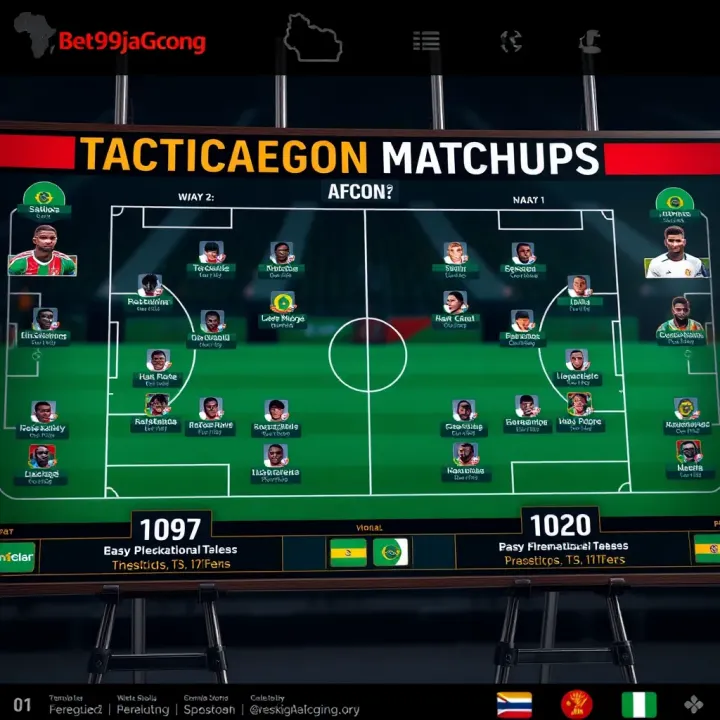
A team's recent performance often signals what to expect in its next outing. For instance, Morocco’s unbeaten streak entering the tournament suggests sustained confidence and tactical discipline. Conversely, a side like Guinea-Bissau, battling inconsistent results and fatigue from a congested local league schedule, might struggle to maintain same intensity.
Injuries and suspensions critically affect squad strength. Nigeria’s game against Egypt saw a tactical reshuffle due to the absence of key midfielders. Such changes influence not only team shape but also scoring opportunities and defensive solidity. Track last-minute squad updates from official team announcements and scout reports.
Coaches adjust formations to exploit opponents’ weaknesses. A team shifting from a 4-3-3 to a 3-5-2 might aim to reinforce midfield control, a factor worth considering when predicting possession stats and goal chances. For example, Senegal frequently uses wing-backs to stretch play, opening spaces for strikers like Sadio Mané.
Look beyond win-loss records to metrics such as shots on target, set-piece success, and defensive errors. Egypt’s recent matches show high conversion rates from corners, signalling threat in dead-ball situations. Also, historical head-to-head results can expose psychological edges, as seen in Cameroon’s dominance over Burkina Faso in previous Afcon clashes.
Combining qualitative assessments with quantitative data enhances prediction accuracy significantly.
By tracking these elements closely, bettors and analysts can identify value bets and avoid common pitfalls. As the tournament unfolds, stay updated on form swings and tactical tweaks to refine predictions and maximise returns.
Understanding today’s match schedule and context offers a solid foundation for making accurate Afcon predictions. Bettors and analysts need to weigh practical details like timing, location, and stakes of each fixture, as these factors often sway game dynamics and outcomes.
Match timings and venues matter significantly, especially when games are spread across different stadiums with varying conditions. For instance, a noon kick-off in Douala might expose players to intense heat, impacting stamina and pace. Meanwhile, evening matches in Yaoundé benefit from cooler temperatures, allowing teams to execute high-tempo strategies. Knowing this helps bettors anticipate performance shifts linked to environmental factors.
Another crucial point is the travel distance and local support at venues. Teams playing far from their fan base or home country may wrestle with fatigue or morale issues, while those enjoying near-capacity crowds at home stadiums often gain psychological boosts. Such variables add depth to match assessments beyond mere team rankings.
Group stage versus knockout implications shape how teams approach their fixtures. In group stages, teams might settle for a draw to avoid risks, or rotate key players to conserve energy for later matches. For example, a team comfortably leading its group may adopt a defensive posture to protect their standing.
On the other hand, knockout games are do-or-die. Matches in this phase generally see intensified aggression, tactical shifts to force results, and less tolerance for errors. This shift influences scoring probabilities and betting patterns, signalling that predictions should be more nuanced based on stage of competition.
Looking at recent performances in the tournament gives insight into current momentum and team morale. A squad that has secured convincing wins or shown defensive resilience early on is likelier to maintain form. For example, a side progressing unbeaten through group matches might enter today’s game with confidence that could tilt odds in their favour.
Conversely, teams struggling to score or leaking goals may be under pressure, impacting player confidence and coaching decisions. Paying attention to these trends provides clues on match tempo and possible tactical adjustments.
Historical rivalry and previous encounters add another layer of understanding. Some matches carry emotional weight due to past results, nationalist pride, or contentious moments. For instance, if two West African teams with a long-standing rivalry meet, tension usually spikes, affecting player behaviour and fan atmosphere.
Such factors sometimes push matches beyond pure statistics—players may fight harder, or conversely, nerves might cause costly mistakes. Bettors tapping into these narratives can find valuable edges when assessing match unpredictability.
Knowing today’s fixture details, team form, and rivalry history offers a clear snapshot to guide smart Afcon bets. Considering these elements sharpens your analysis, making prediction efforts more grounded and potentially profitable.
Understanding team form and key player status is central to predicting outcomes in today's Afcon matches. Form reflects how a team has been performing recently, offering insight into their momentum and confidence. Meanwhile, knowing which players are fit or sidelined helps gauge the strength and adaptability of a squad under match conditions. For bettors and analysts, this knowledge guides smarter wagers and clearer expectations.
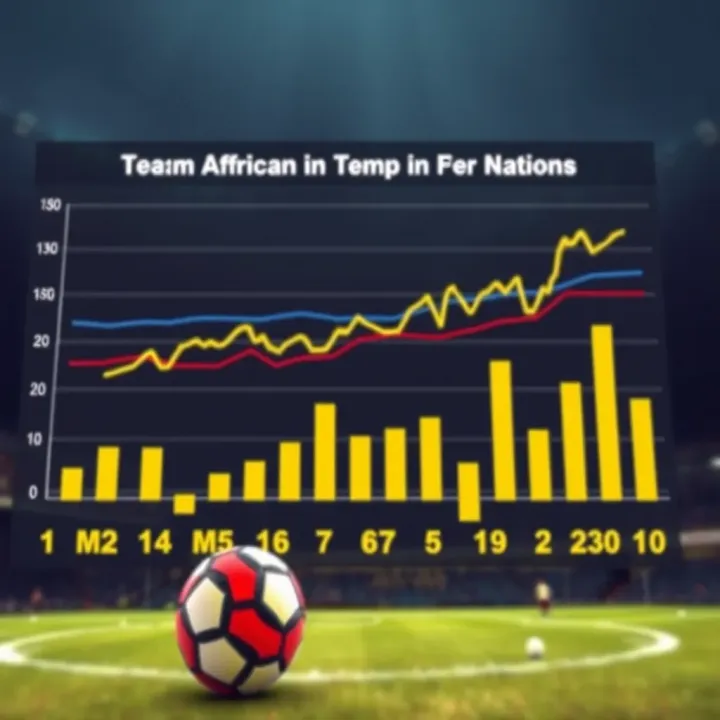
Squad fitness significantly influences match outcomes in Afcon stages. When a team's principal striker suffers an injury, for example, their goal-scoring threat diminishes sharply. Take Senegal’s Sadio Mané, whose absence due to injury can upset the team's attacking rhythm. On the other hand, a team losing a key defender might be vulnerable at the back, inviting pressure and more scoring chances for opponents. Injury updates shape starting line-ups and influence tactical choices, so bettors must monitor last-minute fitness reports closely.
Suspensions from accumulated yellow cards or direct red cards can derail a team’s momentum. Disciplinary bans remove essential players like midfield generals or top defenders from the pitch, while receiving a suspension during the game reduces on-field strength. For instance, during past Afcon tournaments, teams missing their midfield anchors have struggled to control possession, prompting shock results. Understanding suspensions helps predict not only who starts but also how aggressive or cautious a team might play under constrained resources.
Tracking the form of lethal goal scorers and creative playmakers is essential because they directly affect scoring chances. For example, when Nigeria’s Victor Osimhen is in fine form, the Super Eagles’ attack gains dynamism and confidence. Similarly, playmakers like Hakim Ziyech provide the crucial final passes that turn half-chances into goals. Identifying such players’ recent performances or goal droughts allows bettors to anticipate whether a team is likely to break deadlocks or stall in attack.
A team’s defensive record offers clues about their stability and resilience. Teams like Morocco, known for tight defensive organisation, tend to keep clean sheets and frustrate opponents. Conversely, squad defensive fragility, seen in teams frequently conceding early goals, raises the chance of matches ending with high scores. Knowing which defenders are consistent and which areas of defence leak goals informs predictions about total match goals or likelihood of comebacks.
Monitoring team form alongside individual player trends provides a solid basis for making calculated predictions. It moves beyond mere guesswork to informed analysis, critical for betting success.
Check injury reports before matchday
Note any player suspensions affecting starting line-ups
Evaluate key offensive players’ recent goal involvement
Consider defensive solidity and vulnerabilities
Taking these factors into account sharpens your edge when analysing today’s Afcon fixtures.
Tactical analysis plays a decisive role in predicting outcomes for today's Afcon matches, offering a window into how teams plan to impose their style and respond to challenges on the pitch. Understanding coaching approaches and game plans gives bettors and analysts a concrete basis to assess potential winners and scorelines beyond just player form or past results.
Every coach settles on formations that best suit their players and match objectives. For example, a team like Senegal often lines up in a 4-3-3, emphasising wing play and quick transitions, while another like Egypt might prefer a 4-2-3-1 to control midfield and create scoring chances through a playmaker. Knowing the usual formation helps predict where pressure points might form and the areas likely vulnerable to counterattacks.
Furthermore, formations reveal the tactical mindset—whether a coach favours offensive dominance or cautious defence. A 3-5-2 setup, for instance, suggests strength in midfield with wingbacks offering width, useful for games where controlling possession matters. This insight helps bettors understand how risk-averse or aggressive a team might be, affecting likelihood of goals and match tempo.
Games rarely go as scripted; coaches adjust based on game flow and opposition tactics. A side trailing at half-time might shift from a defensive 5-4-1 formation to a more attacking 4-3-3, increasing forward pressure. Nigeria’s coach has severally demonstrated this by changing formation midway to shake off opponents' strategies.
This flexibility often decides game outcomes, so bettors should watch how teams historically make tactical changes under pressure. Adaptation can tip a match in favour of a resilient side or expose a team struggling with in-game problems such as injuries or fatigue.
Possession stats indicate which team controls the ball and dictates play. High possession doesn’t guarantee goals but reflects dominance. For example, Morocco’s 65% possession in past matches highlights their methodical build-up, while teams from Central Africa may rely on quick counters despite lower possession.
Shot accuracy complements possession data. A team taking many shots with poor accuracy is less likely to convert chances. When analysing matches, compare possession rates with shot quality to predict scoring opportunities—this distinction sharpens forecasts beyond raw numbers.
Set pieces remain vital scoring routes in Afcon games, where defences can be tight. Teams like Algeria have shown lethal free-kick and corner routines that catch opponents off guard. Knowing which teams capitalise on set pieces helps anticipate goals from dead-ball situations.
Betting markets often undervalue set-piece potential, but these moments can swing outcomes, especially in knockout games. Teams with tall defenders and skilful takers hold an advantage during corners and free kicks, a factor to weigh for both match predictions and associated betting odds.
Tactical smarts combined with statistical evidence give a more grounded approach to Afcon match predictions, steering bettors away from guesswork to data-driven decisions enriched by knowledge of how teams think and change during play.
Understanding external factors is vital for anyone looking to make informed predictions or place bets on Afcon matches. Elements like weather, pitch conditions, and fan support don't just add flavour to the game — they can shift momentum and influence results frequently overlooked by basic stats alone. Bettors and analysts who account for these aspects often find an edge when assessing likely winners or scoring patterns.
Weather plays a more direct role than many realise in match outcomes. High temperatures exceeding 30°C, common in host cities during Afcon, can sap player stamina quickly, leading to slower pace and increased substitutions. For example, a team from a cooler climate might struggle to maintain intensity throughout 90 minutes, affecting shot accuracy and defensive solidity. Conversely, teams accustomed to hot, humid conditions may capitalise by pressing harder late in games.
Rain can also disrupt gameplay significantly. Matches played under heavy downpours often see unpredictable ball movement and difficulty in maintaining control. This suits teams that rely on long balls or set-pieces over intricate passing. For bettors, considering recent weather reports and forecasts for the match location provides critical context that influences the likelihood of goals or defensive errors.
Pitch quality varies widely across stadiums, from pristine grass to patchy, uneven fields. A smooth, well-kept pitch favours technically skilled teams that depend on quick passing and dribbling. For instance, Nigeria’s home stadiums tend to have superior turf that supports their fast, fluid style. In contrast, rough or worn-out pitches slow the tempo and tend to level the playing field for physically stronger squads.
A boggy or uneven surface increases the risk of mispasses and injuries, often leading coaches to adopt more direct styles or cautious tactics. Knowing pitch conditions can influence predictions about match tempo and goal probability—important factors for in-play betting.
Playing on home soil often gives a crucial boost. Local teams know the climate, surroundings, and pitch intimately, which generally translates to higher confidence and better coordination. Beyond familiarity, home advantage generates a psychological edge, making visitors more prone to mistakes or conservative play.
In Afcon, this effect is particularly visible when host nations like Cameroon leverage packed stadiums to intimidate opponents. The noise and energy from home fans can rattle visiting teams, affecting focus and composure during critical moments such as penalties or injury time. This factor is essential when weighing predicted outcomes, especially in tightly matched fixtures.
Crowds don’t just cheer — they shape the narrative of a match. For players, loud, passionate support often lifts performance, while hostile or expectant fans increase pressure, potentially leading to unforced errors.
Consider how underdog teams handling intimidating atmospheres sometimes crumble under pressure, whereas seasoned squads thrive. Betting strategists should closely watch crowd size and fan intensity reports, as these can explain sudden swings in momentum or surprising late goals. At high stakes, managing psychological pressure could mean the difference between a draw and a last-minute win.
External factors like weather, pitch, and fan presence frequently decide matches beyond skills and tactics. Incorporating these into your analysis sharpens predictions and reveals opportunities less visible through stats alone.
Hot, humid conditions favour teams used to such climates; cooler-weather teams may tire earlier.
Pitch quality impacts playing style; poor turf encourages direct, physical games.
Home crowds boost local teams but add pressure, affecting player composure.
Bettors should monitor weather forecasts, pitch reports, and fan support levels before settling stakes.
By giving external factors their due attention, you’ll improve both your understanding of today's Afcon fixtures and your ability to capitalise on betting markets.
Practical predictions and betting tips are key tools for anyone looking to make informed choices about today’s Afcon fixtures. They bring the analysis to life, turning raw data and tactical insights into actionable guidance. For bettors, these sections help spot opportunities and avoid pitfalls by focusing on realistic outcomes and market behaviour. Fans also gain clarity on probable winners and final scores, which sharpens their understanding of the games beyond just passion.
Likely winners and possible draws give a snapshot of which teams have the upper hand based on current form, squad strength, and historical data. For example, if Senegal faces a side with weaker defence and noticeable injuries, they become the likely winners. Yet, certain matchups, like Ghana versus Cameroon, might lean towards a draw due to evenly matched squads and solid defensive records. These forecasts help set realistic expectations and prevent emotional overreach in predictions.
Predicted scorelines take this further by estimating the exact goals tally expected from each side. This is useful for narrowing down bets like correct score or goal ranges. A forecast such as 2-1 or 1-1 reflects how tight or one-sided a match might be. For instance, when a team with strong home support faces an aggressive but inconsistent opponent, a 2-1 outcome is plausible, considering both scoring capability and defensive resilience. Such insights clarify betting decisions on goal-related markets.
Value bets and odds analysis focus on finding bets where the reward outweighs the risk. This means spotting odds that don't fully reflect a team’s chances due to bettor biases or overlooked factors. For instance, a side coming off a bad run might be undervalued despite improvements, presenting a value bet opportunity at higher odds. Analysing odds movements can also hint at insider knowledge or shifting confidence before kickoff, which sharp bettors track closely.
Risk management and staking strategies are essential to protect bankrolls and maximise long-term gains. Simple tactics like flat staking limit potential losses while diversifying bets across outcomes reduces exposure. For example, splitting stakes between a strong favourite winning and a draw provides a buffer if the favourite slips. Combining this with sensible limits on how much to risk per bet ensures longevity in betting activities, especially in a tournament like Afcon where unpredictability is common.
Practical predictions and betting tips transform analysis into real-world advantage, serving both serious bettors and engaged fans seeking clarity on today’s high-stakes Afcon matches.
By tailoring tips to the day’s fixtures, reflecting current team news, and matching it with smart betting tactics, this section guides readers in making sound, confident choices rather than wild guesses.
📊 Discover reliable strategies for accurate football score predictions tomorrow. Learn key tips & avoid common mistakes to improve your betting game in Nigeria ⚽️

Learn how to make accurate football score predictions using data analysis, team form, and match details ⚽️📊. Improve your forecasting skills for Nigerian and global games!

🎮 Discover how the Aviator predictor works in Nigeria's online gaming scene. Get tips on its reliability, legal views, and avoid common mistakes for safe play. ₦

⚽ Curious about Ballon d'Or betting odds on Bet9ja? Discover how to spot favourites, understand odds, and bet smartly for a ₦-winning football season in Nigeria! 🇳🇬
Based on 5 reviews